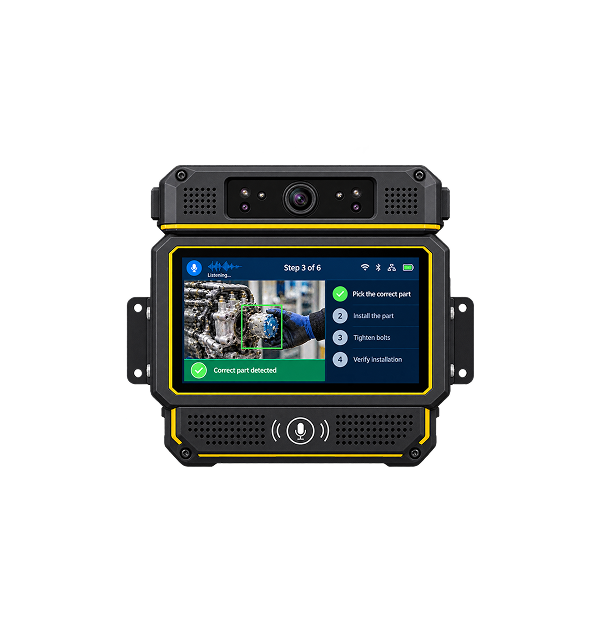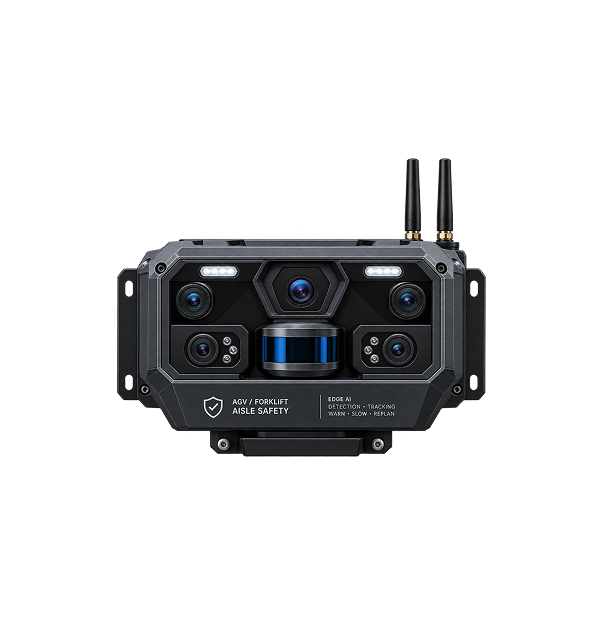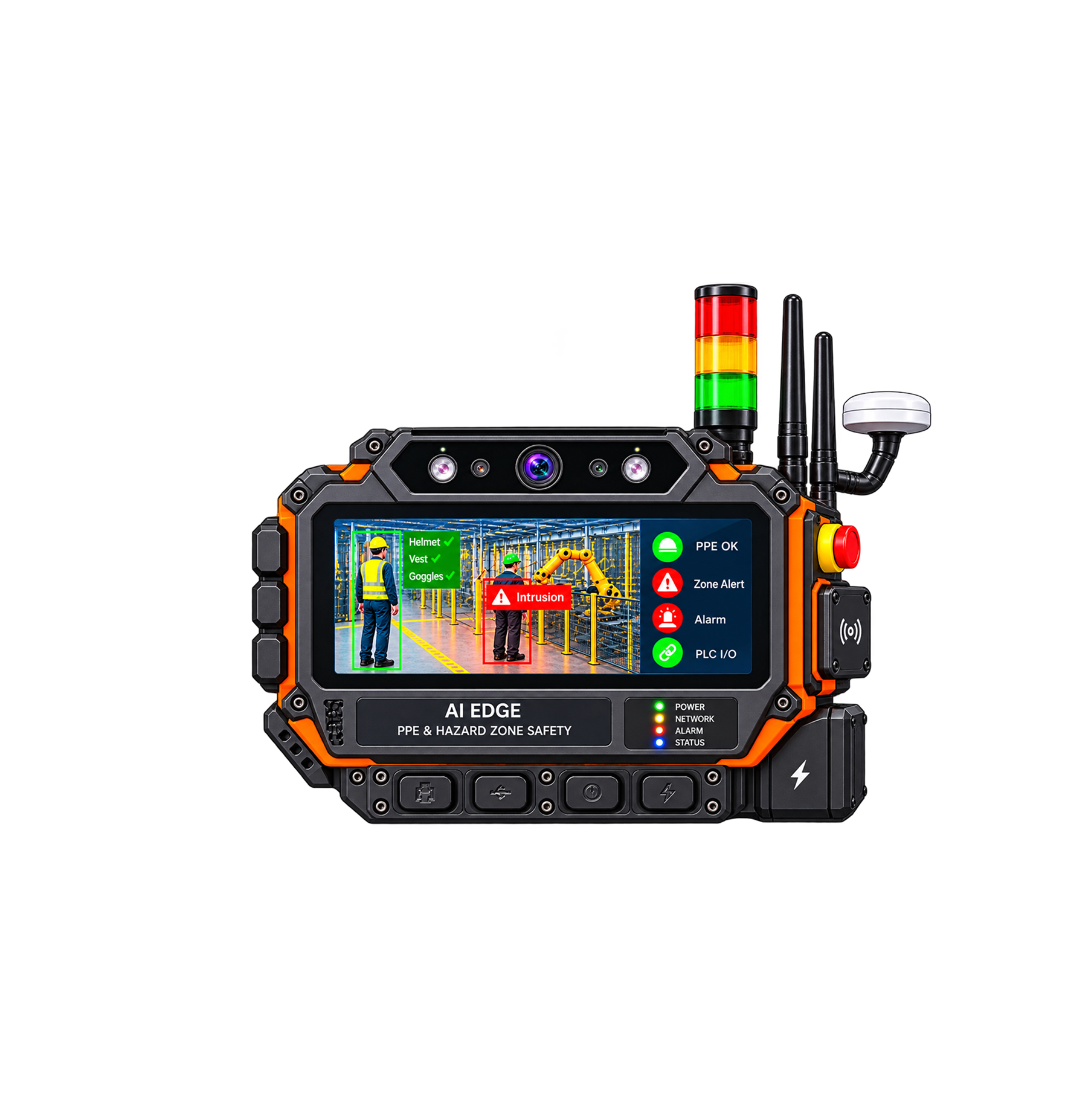
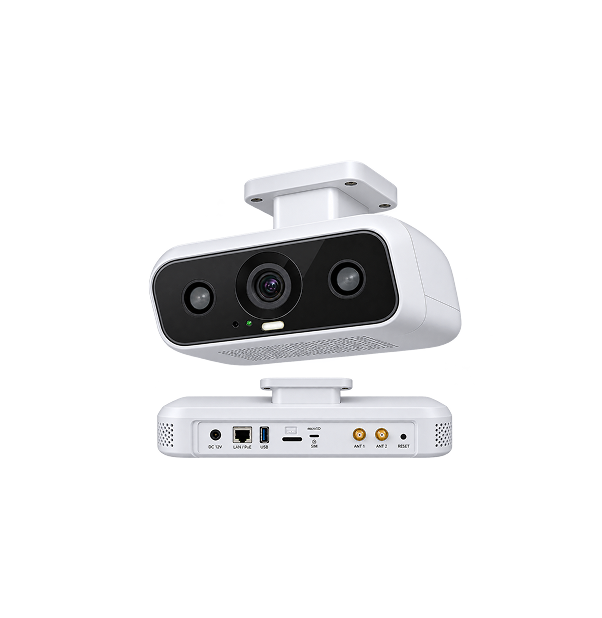
Fall · Bed-Exit · Mobility Monitoring (EVS-FALL)
Room-level edge AI that watches for falls, bed-exit intent, and mobility changes, then alerts the nurse station or mobile care team fast, with privacy modes that keep video on-prem, plus Wi‑Fi, Bluetooth, and RJ‑45 Ethernet (optional LTE and GPS via mini‑PCIe), and solar, plug-in power, or battery backup when electricity fails.
 Fall detection · pose AI
 Bed-exit intent alerts
 Mobility monitoring
 Nurse station · mobile alerts
 Privacy modes · on-prem video
 Smart bed / occupancy interface
 Wi‑Fi · Bluetooth · RJ‑45 · PoE

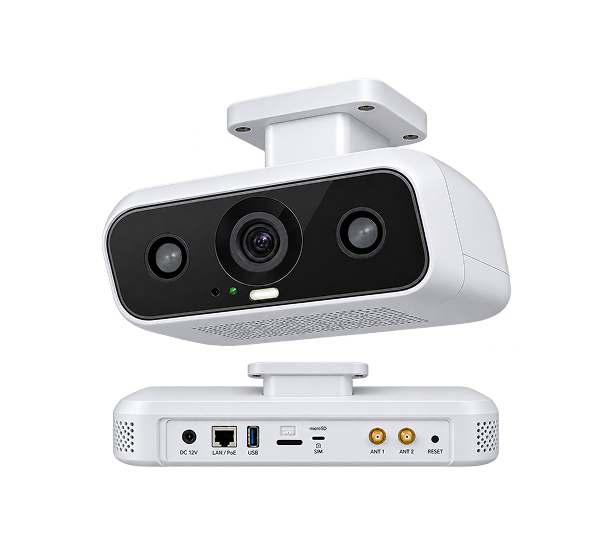
In hospitals and elder care, constant bedside observation is impossible, and delayed response after a fall can change outcomes. Fall · Bed-Exit · Mobility Monitoring gives care teams an always-on visual safety layer: a room camera with on-device AI that combines person detection and pose estimation with temporal logic for fall signatures and bed-exit intent, then raises alerts to the nurse station or mobile devices so staff can respond sooner, without requiring someone to stare at every screen. Privacy is part of the product story. Configurable privacy modes keep monitoring useful while avoiding unnecessary offsite video, analysis stays on the edge so sensitive patient spaces are not forced to stream continuously to the cloud. A smart bed / bed-occupancy interface can enrich bed-exit and presence context. mmWave radar can add occupancy confirmation when vision alone is not enough. Networking uses Wi‑Fi, Bluetooth, and RJ‑45 Ethernet with PoE; remote wards or satellite sites can add LTE and GPS via mini‑PCIe. Environmental sensing supports room context; local storage holds event logs and short clips under policy. Power includes solar, plug-in supply, and battery backup so safety monitoring continues when electricity fails.
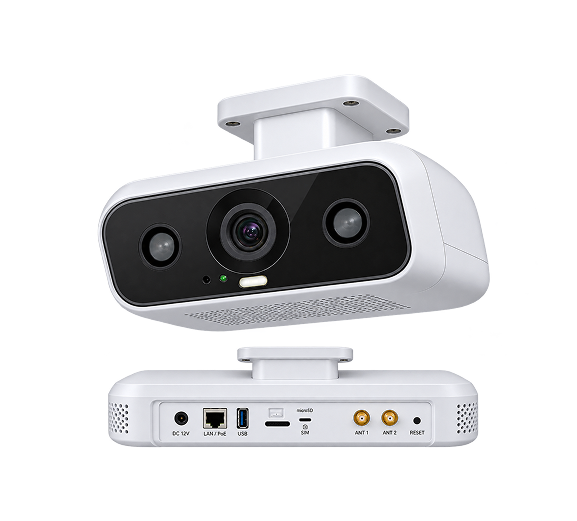
Fall · Bed-Exit · Mobility Monitoring (EVS-FALL) — Faster fall and bed-exit awareness with privacy-minded edge AI, so care teams can respond without watching every room all night.
Specification
General
- Product nameFall · Bed-Exit · Mobility Monitoring (EVS-FALL)
- Product codeEVS-FALL
- RoleEdge AI vision for fall, bed-exit, and mobility safety monitoring
- CategoryEdge Vision Systems
- VerticalMedical & Healthcare
- Suggested priceInquire
Vision & clinical operations AI
- CameraRoom RGB / IR module with lens assembly