Audio DoA + Camera Slew + Verify
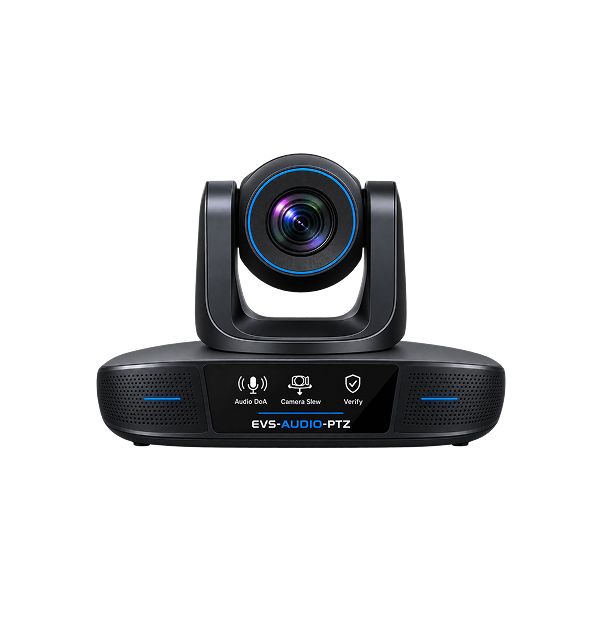
Hear a threat, aim the camera, then confirm before you escalate, microphone-array direction-of-arrival finds shouts, glass breaks, and gunshot-class events, a motorized PTZ slews to the sound, and edge vision verifies person or weapon cues while sirens, VMS alerts, Wi‑Fi, Bluetooth, RJ‑45, LTE, and GPS keep the post connected on solar, plug-in, or battery power.
 Microphone array · audio DoA
 Event classify · shout / glass / gunshot
 PTZ slew-to-cue
 Edge vision verify
 Siren · alert escalation
 Wi‑Fi · Bluetooth · RJ‑45 · PoE
 LTE + GPS (mini‑PCIe class)

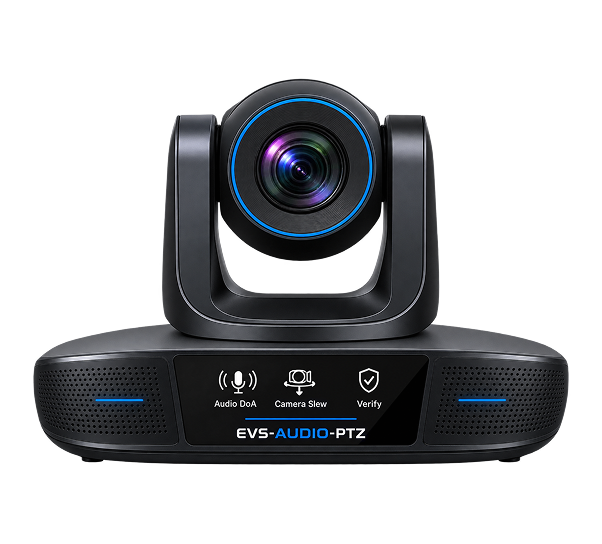
Fixed cameras cannot stare everywhere at once, and operators cannot watch every feed. Audio DoA + Camera Slew + Verify closes that gap: a microphone array estimates direction of arrival when a suspicious sound occurs, classifies events such as shout, glass break, or gunshot-class signatures, then commands a motorized PTZ to pan and tilt toward the cue. Only after edge vision checks the scene — person present, weapon-class object, optional duress pose, does the system escalate with alerts and local siren control. Fewer cameras cover more space; operators get a pointed live view instead of a guess. The hardware stack matches that hunt-and-verify loop. RGB/IR imaging and lens assembly ride with the PTZ for day/night confirmation. A MEMS microphone array and audio codec feed DoA and classification on the edge compute node. Local eMMC / microSD storage keeps event logs and short clips. Speaker / siren paths provide on-site deterrence. Networking is first-class: Wi‑Fi, Bluetooth, RJ‑45 Ethernet with PoE, plus LTE and GPS (mini‑PCIe class) so remote posts stay on the map and on the network. mmWave radar can add all-weather motion confirmation; environmental sensing and watchdog health monitoring support long outdoor duty. Power includes solar, plug-in supply, and battery backup so acoustic cueing does not die when electricity fails. Optional industrial I/O, vibration sensing, RFID, and door-control interfaces tie the post into broader site security when the use case demands it.
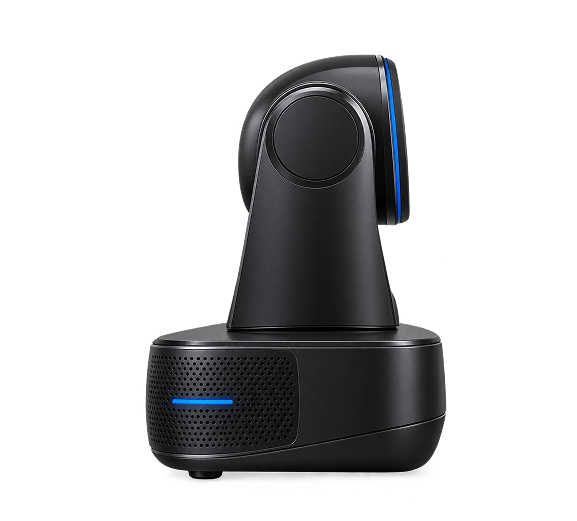
Audio DoA + Camera Slew + Verify — Hear it. Aim at it. Verify it. Escalate with confidence, acoustic cueing with edge vision that works when the network is imperfect.
Specification
General
- Product nameAudio DoA + Camera Slew + Verify
- Product codeEVS-AUDIO-PTZ
- RoleEdge AI acoustic direction-of-arrival · PTZ slew · visual verification
- RoleEdge Vision Systems
- CategoryEdge Vision Systems
- VerticalSafety & Security
- Suggested priceInquire
Audio intelligence